Imagine running your small business with the unshakable confidence that, no matter what comes your way, you’re ready. That’s the power of understanding and securing the right commercial insurance. In this world where uncertainties lurk around every corner, having the right policy can be the difference between thriving and just surviving. But where do you start?
Welcome to the ultimate guide on demystifying small business insurance needs. We’re diving deep into the three crucial types of commercial insurance policies every small business should consider. Let’s cut through the noise and get straight into what really matters for protecting your business’s future.





Understanding Small Business Insurance Needs
Did you know that 40% of small businesses will face a claim in the next decade? Insurance isn’t just a safety net—it’s a necessity. Let’s dive into the essentials.
Small business insurance isn’t just about ticking boxes. It’s about protecting your livelihood from unexpected events. From natural disasters to customer injuries, these policies keep you afloat when things get rocky.
The Three Essential Types of Small Business Insurance
First up, General Liability Insurance. This covers third-party claims related to bodily injury and property damage. Imagine a customer slipping in your store; this policy ensures you’re not footing the medical bills.
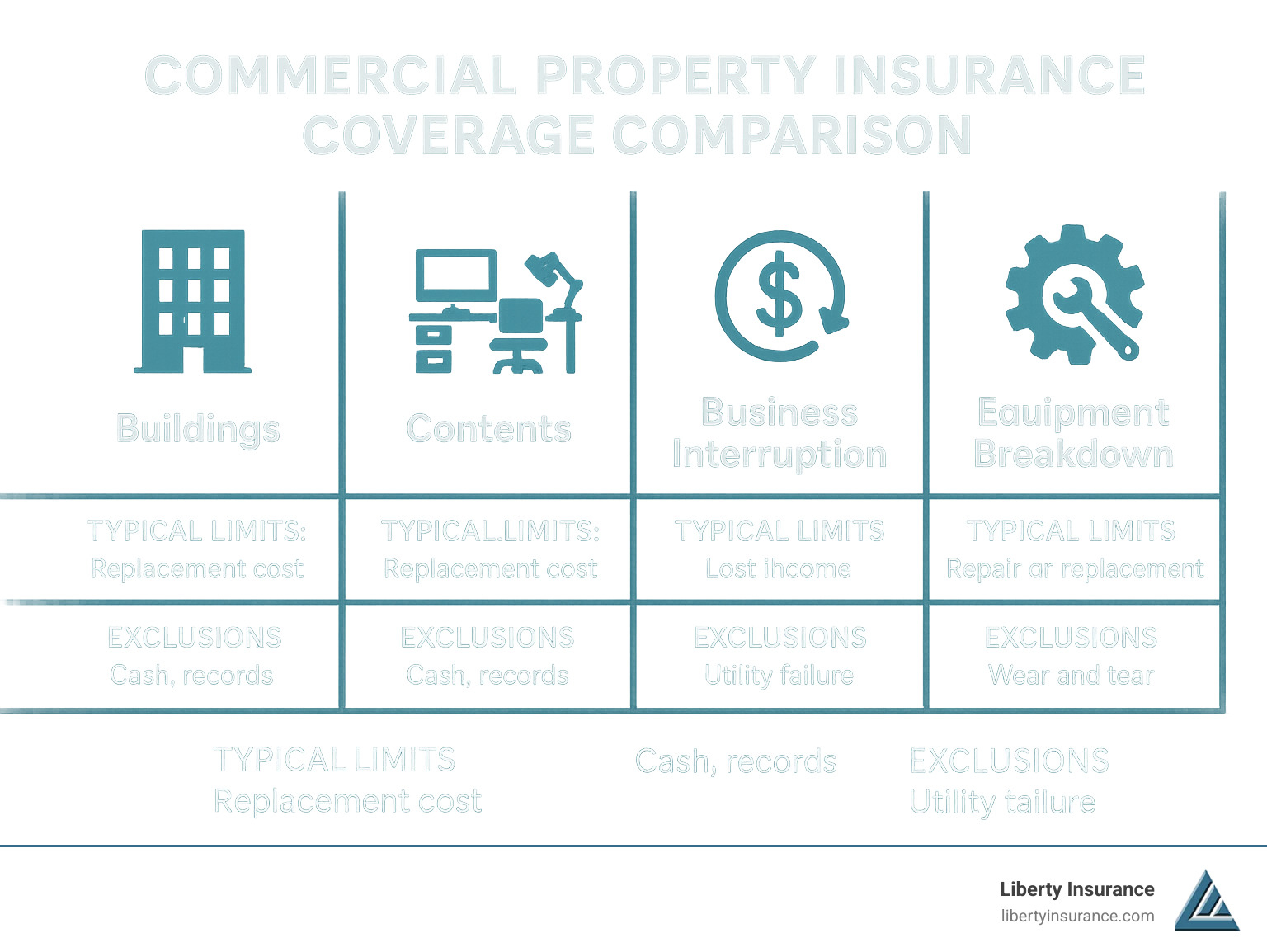
Next is Commercial Property Insurance. Weather can be unpredictable, but your financial stability shouldn’t be. This insurance safeguards your physical assets against disasters like fires or burglaries.
Finally, we have Business Interruption Insurance. If your operations halt due to a covered event, this policy helps you recover lost revenue. It’s like having a financial cushion for turbulent times.
When Commercial Insurance Becomes Crucial
Picture this: A storm damages your storefront just before your busiest season. Without insurance, you’re stuck with extensive repair bills and lost income. But with the right coverage, you bounce back faster.
Or consider a scenario where a client sues you for an error in your work. Professional liability insurance handles legal fees and settlements, keeping your reputation—and wallet—intact.
General Liability vs. Professional Liability: What’s the Difference?
General Liability Insurance covers claims from physical damages or injuries, like a slip-and-fall accident at your shop. It’s all about the tangible impacts.
In contrast, Professional Liability Insurance, also known as Errors & Omissions, protects against claims of negligence or mistakes in the services you provide. It’s the safeguard for intangible errors.
Pro Tip: Having both types of coverage ensures comprehensive protection, no matter where the threat comes from.
Here’s a simple breakdown:
| Insurance Type | Primary Coverage | Benefits | Potential Risks |
|---|---|---|---|
| General Liability | Bodily injury, property damage | Protects against lawsuits, covers legal costs | May not cover professional mistakes |
| Professional Liability | Errors and omissions in services | Safeguards against negligence claims | Doesn’t cover physical incidents |
| Commercial Property | Damage to business assets | Rebuilds and repairs post-disaster | Excludes certain natural disasters |
| Business Interruption | Lost income during closures | Keeps business afloat during downtime | Limited to specific events |
Evaluating Risk Factors in Small Business Operations
Did you know that 40% of small businesses never reopen after a disaster? Shocking, right? That’s why evaluating risk factors is crucial to sustaining your business.
Understanding these risk factors helps you pinpoint where your business is vulnerable. The right insurance can be your safety net. Let’s break down how you can protect your business.
Common Risk Factors and Mitigation with Insurance
Small businesses face a myriad of risk factors that can jeopardize their operations. From natural disasters to cyber threats, these risks are real. But here’s the deal: insurance is a powerful tool to mitigate these risks.
Industries face unique challenges. For example, a retail store might be prone to theft, while a tech startup could face data breaches. Each risk requires a tailored insurance approach.
Here’s how you can start evaluating your business’s specific insurance needs:
- Identify potential risks in your industry
- Assess the likelihood and impact of each risk
- Determine existing coverage and gaps
- Consult with an insurance advisor
- Regularly review and update your insurance plan
Industry-Specific Risks and Corresponding Insurance
Every industry has its own set of unique risks. A restaurant, for instance, faces health code violations and equipment breakdowns. On the other hand, construction companies deal with worker injuries and equipment damage.
Here is the deal: matching your insurance to these specific risks is critical. For a restaurant, general liability and equipment breakdown insurance are essential. Construction firms should consider workers’ compensation and equipment coverage.
| Industry | Key Risk | Essential Insurance |
|---|---|---|
| Retail | Theft and Inventory Loss | Property Insurance |
| Tech | Data Breaches | Cyber Liability Insurance |
| Construction | Worker Injuries | Workers’ Compensation |
Pro Tip: Always review your insurance policies annually to ensure they cover evolving risks in your industry.
Benefits of Comprehensive Commercial Insurance
Did you know that nearly 40% of small businesses never reopen after a disaster? That’s why having the right insurance isn’t just a smart move—it’s a lifeline.
Comprehensive commercial insurance protects your small business from a variety of risks, ensuring that you can bounce back from unexpected events. It’s not just about covering damages; it’s about securing your future.
Advantages for Small Businesses
Small businesses often operate on razor-thin margins, where even a minor incident can cause substantial financial strain. Comprehensive commercial insurance provides a safety net, allowing you to focus on growth without constantly worrying about potential setbacks. It covers everything from property damage to liability claims, offering peace of mind you can’t put a price on.
Comparing Insurance Packages
When shopping for commercial insurance, you’ll find a variety of packages catering to different business sizes and needs. Whether you’re a solo entrepreneur or managing a growing startup, there’s a policy designed for you. Here’s the deal: while basic plans might seem cost-effective, they often leave critical gaps. Comprehensive packages fill these gaps, providing more extensive protection.
| Package Type | Suitable For | Key Features |
|---|---|---|
| Basic | Small businesses with minimal assets | General liability, property damage |
| Standard | Medium-sized businesses | Enhanced liability, employee coverage |
| Comprehensive | Large businesses or those with high-risk profiles | Full coverage, business interruption insurance |
Pro Tip: Investing in comprehensive commercial insurance now can save you significant costs down the line. Imagine an unexpected legal claim—without coverage, you could face bankruptcy, but with a comprehensive policy, such challenges are manageable.
By comparing different packages, you can choose the one that aligns best with your business needs. Remember, the right insurance isn’t an expense; it’s an investment in security and stability.
Designing a Cost-Effective Insurance Plan
What if I told you that you can actually slash your insurance costs without cutting coverage? Most small business owners think they have to choose between comprehensive coverage and affordability. But that’s not true!
Here’s the deal: You can design an insurance plan that’s both comprehensive and budget-friendly. It starts with understanding your specific needs and only paying for what truly matters.
Methods for Designing an Affordable Insurance Plan
The first step is to assess your current coverage. Are you paying for features you don’t need? Cut them out. Next, you want to bundle policies. Many providers offer discounts when you purchase multiple types of insurance together.
Pro Tip: Always ask about bundling discounts. It could save you up to 25% on premiums.
Another effective strategy is to increase your deductible. Yes, it means more out-of-pocket costs if you file a claim, but it can significantly lower your monthly premiums. Lastly, shop around. Compare quotes from different providers to secure the best deal.
Strategies for Negotiating Better Rates
Did you know that insurance rates aren’t set in stone? You can actually negotiate better prices. Start by building a strong relationship with your broker. A good rapport can lead to insider tips on discounts.
Next, highlight your business’s strengths. Show your provider that you have effective risk management practices in place. This can often lead to reductions in premiums.
And always, always ask for discounts. You’d be surprised how many are available if you just ask.
| Provider Name | Policy Features | Costs | Customer Ratings |
|---|---|---|---|
| Acme Insure | General Liability, Property, Workers Comp | $500/month | 4.5/5 |
| BizGuard | General Liability, Vehicle, Cyber | $450/month | 4.2/5 |
| SafeCorp | General Liability, Property, Equipment | $530/month | 4.7/5 |
Legal Requirements and Compliance for Small Business Insurance
Did you know that failing to comply with insurance laws can cost your business thousands of dollars in fines? It’s true, and many small businesses are unaware of their legal obligations until it’s too late.
Understanding the mandatory insurance requirements for small businesses is crucial to avoid these pitfalls. The kind of insurance your business needs can vary drastically depending on your location and industry. From workers’ compensation to general liability, each type of insurance serves a different purpose and has its own set of regulations.
Mandatory Insurance Requirements Across Regions
In many parts of the U.S., workers’ compensation insurance is non-negotiable. Even if you have just one employee, you’re often required to have it. But that’s not all. If you’re in health care, you might need professional liability insurance. In contrast, European countries might emphasize public liability insurance more. Understanding the nuances of these requirements is key to staying compliant.
The Stakes of Non-Compliance
I get it, navigating insurance laws feels like a chore. BUT, ignoring them can have severe consequences. Consider this: a small bakery in Illinois once faced $100,000 in fines for not having the proper workers’ comp coverage. And that’s just the tip of the iceberg. Legal battles, business closure, and even jail time can result from non-compliance.
Being proactive about your insurance can save your business not just money, but its reputation too.
Keeping Policies Updated and Compliant
Here is the deal: updating your insurance policies isn’t just a yearly task. It’s an ongoing process. Every time you hire new employees, purchase new equipment, or expand your services, your insurance needs change. A sudden oversight can lead to a policy lapse and legal troubles. Use a calendar reminder system to track renewal dates and review policies every quarter.
Pro Tip: Automate policy updates with your insurance provider for seamless compliance.
Staying on top of your insurance game isn’t just about avoiding fines. It’s about building a resilient business that can withstand unforeseen challenges. With a bit of diligence, you can ensure your business remains not just operational, but thriving.
Case Studies
Could a single insurance policy save your business? Let’s dive into real-world examples of small enterprises turning crises into comebacks thanks to commercial insurance.
These success stories highlight the transformative power of commercial insurance in safeguarding businesses against unexpected disruptions.
Restaurant Resilience: Bouncing Back from Disaster
Meet Jake’s Diner, a beloved local eatery that faced the nightmare of a kitchen fire. The blaze destroyed equipment and halted operations. BUT with comprehensive commercial insurance, Jake swiftly received compensation to cover damages and lost revenue.
- Insurance Type: Property and Business Interruption
- Compensation: $250,000
- Outcome: Reopened within 3 months
Here’s the deal: Without this coverage, Jake’s Diner might have shuttered for good.
Pro Tip: “Always assess potential risks and ensure your coverage aligns with worst-case scenarios.”
Manufacturing Miracle: Surviving Supply Chain Shutdowns
Next, let’s explore the case of TechParts, a small manufacturing firm. When a key supplier went under, TechParts faced production halts. BUT thanks to contingent business interruption insurance, they received funds to secure new suppliers and keep the assembly lines moving.
- Insurance Type: Contingent Business Interruption
- Compensation: $100,000
- Outcome: Maintained 80% production capacity
This proactive step ensured their survival amidst industry turmoil.
Retail Revival: Theft Recovery and Reinvention
Lastly, consider Jill’s Boutique, which suffered from a massive theft over a holiday weekend. The break-in led to significant inventory losses. HOWEVER, their commercial insurance came through, reimbursing stolen goods and allowing them to enhance store security.
- Insurance Type: Crime Insurance
- Compensation: $75,000
- Outcome: Increased sales by 20% post-recovery
Jill’s story is a testament to the value of foresight and the right insurance strategy.
“Insure not just for the present, but for unforeseen threats that could derail your business.”
Final Thoughts

As we wrap up this comprehensive guide, remember that the right commercial insurance isn’t just a safety net—it’s a strategic asset that empowers your small business to flourish amidst uncertainty. With the right coverage, risk becomes manageable, and opportunities become more attainable. Stay proactive, stay protected, and let insurance be the unsung hero in your entrepreneurial journey.
Q&A
What are the three main types of small business insurance policies?
The three main types of small business insurance policies are General Liability Insurance, Professional Liability Insurance, and Property Insurance. These cover basic liabilities, professional errors, and physical assets, respectively.
Why is commercial insurance essential for small businesses?
Commercial insurance is crucial as it shields businesses from financial losses due to unforeseen events like lawsuits, property damage, or professional errors, ensuring business continuity.
What scenarios illustrate the importance of commercial insurance?
Scenarios include a client suing for a slip-and-fall, a fire damaging office equipment, or a professional error leading to financial loss for a client.
How does general liability differ from professional liability insurance?
General Liability Insurance covers third-party bodily injury and property damage, while Professional Liability Insurance protects against claims of negligence in professional services or advice.
What steps should a small business take to assess specific insurance needs?
Identify potential risks, consult with an insurance agent, compare policies, and select coverage that addresses the unique needs of your industry and business operations.